


The Invisible Soft Skills of International Profiles
Recruiting an international profile with experience abroad is not just about adding a “international internship” line on a CV. It means integrating into your
teams a collaborator who has developed strong human skills, often invisible, yet extremely valuable in a professional environment.
Behind an international experience lie soft skills that make all the difference in today’s constantly evolving workplace.
So, what truly makes these profiles so valuable for your company?
Exceptional Adaptability
Changing countries means changing reference points. Nothing is automatic: new codes, new tools, new ways of working.
An international profile learns to:
- quickly adapt to a new environment,
- understand new professional expectations,
- remain efficient despite uncertainty.
In practice, this means being able to observe, understand, and adjust behavior quickly: integrating into a team with different methods, adopting new processes,
or aligning with an unfamiliar company culture.
In a professional context, this adaptability results in employees who become operational faster and manage change without losing efficiency.
👉 While some employees need time, these profiles integrate more quickly and become effective within the first weeks, especially in fast-changing or growing environments.
Developed Cultural Intelligence
Working with people from different cultures is not just about speaking another language.
These profiles understand:
- communication differences,
- management styles,
- approaches to time and priorities.
👉 Result: fewer misunderstandings, stronger team cohesion, and smoother collaboration in international environments.
As highlighted by the Harvard Business Review in the article “Develop Cultural Intelligence to Lead Global Teams”, cultural intelligence is now a key
skill to succeed in global environments.
More Strategic Communication
In an international context, communication must be clear and effective.
Profiles with international experience develop:
- the ability to structure their ideas,
- clear and direct communication,
- stronger active listening skills.
👉 They know how to adapt their message to different audiences, a key asset in multicultural teams or when dealing with international clients.
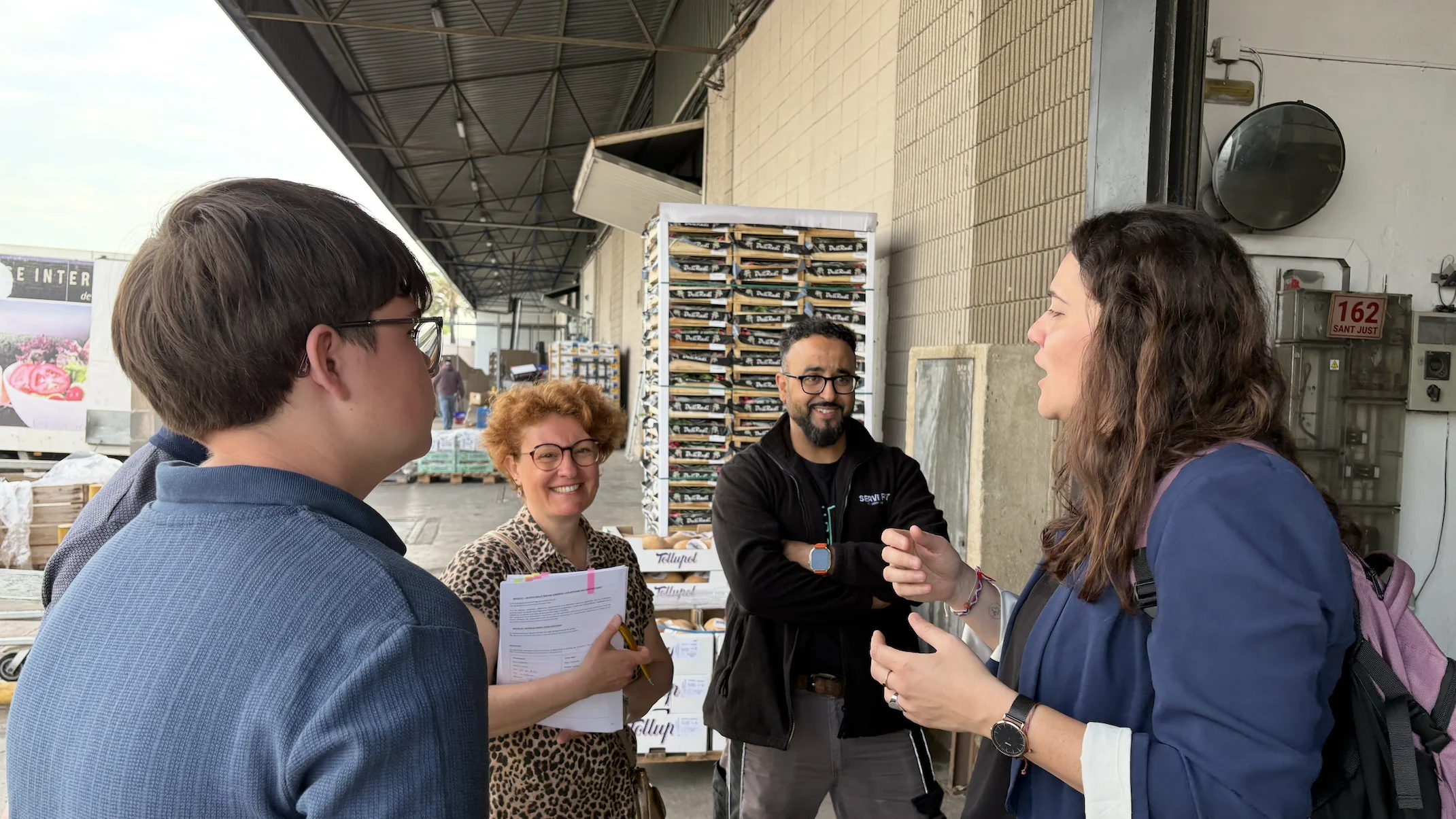
As explained by the Harvard Business Review in the article “Managing Multicultural Teams”, cultural differences can strongly impact communication and
collaboration, making these skills even more strategic in business.
Enhanced Emotional Intelligence
Being exposed to new environments helps individuals better understand their own reactions and those of others.
These profiles are able to:
- manage stress and uncomfortable situations,
- integrate into new teams,
- interpret behaviors and emotions.
👉 A crucial skill for teamwork, management, and handling complex situations.
Increased Autonomy and Initiative
Abroad, familiar reference points are limited. Individuals must move forward independently, make decisions, and handle situations without a structured framework.
These experiences develop:
- a strong sense of responsibility,
- the ability to make quick decisions,
- a natural sense of initiative.
In practice, an international profile is used to not waiting for instructions. They seek information, propose solutions, and adapt to unexpected situations without relying constantly on a manager.
👉 In companies, this translates into more proactive employees who integrate quickly and contribute effectively from the start.
These qualities are particularly valued in dynamic environments where autonomy and responsiveness are essential.
Real-Time Problem-Solving Ability
Faced with unexpected situations, these profiles learn to react quickly and efficiently.
They develop:
- mental agility,
- the ability to find practical solutions,
- resilience in the face of challenges.
👉 In business, this results in employees capable of handling complex situations without hesitation.
A Concrete Open-Mindedness
International experience challenges habits and certainties.
It allows individuals to:
- better understand diverse perspectives,
- adapt to different ways of working,
- value multicultural team dynamics.
In practice, these profiles are more comfortable in diverse environments and contribute to more open and innovative team dynamics.
👉 This open-mindedness fosters creativity, innovation, and better collaboration.
Ability to Work in Hybrid Environments
Companies today are global, digital, and often decentralized. Work no longer happens only in offices but also remotely, across distributed teams, and through collaborative tools.
International profiles are generally more comfortable with:
- remote work,
- teams spread across multiple countries,
- collaborative tools.
In practice, they are already used to communicating remotely, organizing themselves independently, and collaborating with people from different time zones, cultures, and work methods.
In companies, this translates into smoother communication, the ability to maintain collaboration despite distance, and quick adaptation to modern work models.
👉 They naturally understand the challenges of modern work and integrate easily into flexible, hybrid, or international organizations.
Curiosity and Continuous Learning Ability
Stepping out of one’s usual environment fosters strong learning capabilities.
These profiles demonstrate:
- curiosity,
- intellectual adaptability,
- a constant desire to learn.
These are essential qualities in a world where skills evolve rapidly.
As highlighted by the World Economic Forum, nearly 40% of current skills are expected to change by 2030, reinforcing the importance of continuous learning and adaptability.
👉 International profiles, already used to learning continuously and adapting quickly, are naturally better prepared for these changes.
Accelerated Maturity… but Often Invisible
An international experience helps develop both professional and personal maturity quickly.
These profiles often show:
- better self-management,
- clearer goals,
- the ability to step back and analyze situations.
👉 This maturity is noticeable during interviews and in their way of working.
However, it is often difficult to identify on a CV. It is more visible through posture, communication, and the ability to reflect on experiences.
This subtle difference can make all the difference between candidates with similar technical skills.
How to Identify These Soft Skills in Recruitment?
These skills are not always immediately visible. It is therefore essential to uncover them during the recruitment process.
Some tips:
- ask for concrete examples of situations experienced abroad,
- analyze the candidate’s ability to reflect,
- observe how they structure and explain their experiences.
👉 What matters is not only the international experience itself, but what the candidate has learned from it.
International Experience: A Performance Lever for Your Company
In a constantly evolving professional environment, companies need profiles capable of adapting, collaborating, and innovating.
International profiles meet all these expectations.
That’s why at Stud&Globe, we support companies in recruiting international talent, facilitating their integration, and highlighting these essential human skills.